

Last Updated on October 24, 2026
The traffic laws heightened by the UAE in recent times include jaywalking and hit-and-run incidents with the aim of minimizing accidents and enhancing responsibility on both the driver and the pedestrian. With the new laws, any person who takes part in jaywalking or hit-and-run cases is faced with stiff penalties that include paying fines of up to Dh200,000 or serving prison term. This will go in line with the governments aim to improve road safety and encourage people in the UAE to lead legal, responsible lives. In this article, we will look at what exactly these changes are, why they have been implemented, and how the ordinary pedestrian and motorist can best avoid an accident on UAE roads.
Key Changes in UAE Traffic Law
In recent years, the UAE has recorded a significant rise in the number of road mishaps such as jaywalking and hit-and-run. These laws specifically target two significant risk factors on the roads:
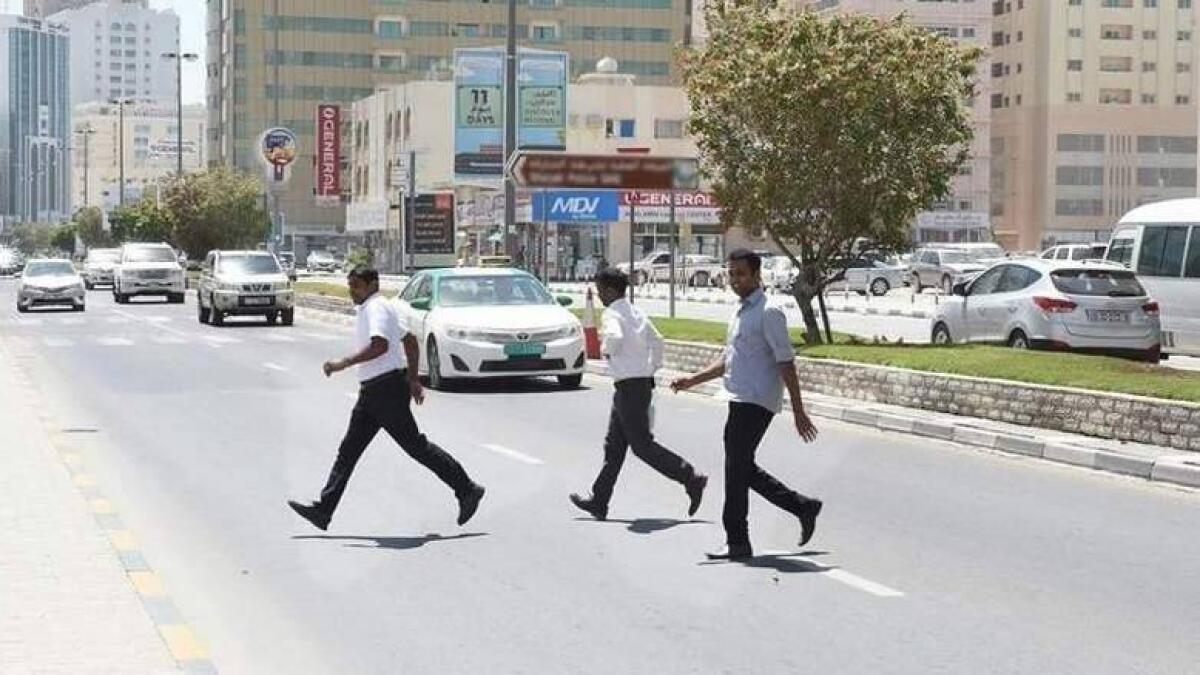
- Jaywalking: Failure to obey traffic signals whilst crossing roads or crossing them at other sections, other than zebra crossing, has also been regarded as the common source of pedestrian accidents. The UAE has even upped the ante by punishing any jaywalker and introducing steep penalties to ensure that the right procedures are followed whenever one wants to cross the road. People still cross roads unsafely, and particularly in busy areas, they are thus putting their own lives into danger and those of drivers; these fines should therefore be justified as these actions are extremely dangerous.
- Hit-and-Run Offenses: Hit-and-run consists of drivers leaving the scene after an accident, possibly due to involvement of an injury or death. In the new methods of penalization of offenses on roads, drivers who are involved in hit-and-run offenses are punished more severely than in the past. Regarding hit-and-runs, UAE made a powerful statement that all those who try to escape legal consequences after the accident will go to jail.
Penalties for Jaywalking in the UAE
Jaywalking, unlike in other parts of the world, is frowned upon in the UAE. This is because the offence is deemed very dangerous for both Jaywalkers and motorists. The penalties are structured to discourage unsafe road-crossing habits among pedestrians:
- On-the-Spot Fines: People caught crossing a red light are free to be fined on the spot with a minimum of Dh400. A bit, especially in areas where several people cross the streets, patrolmen oversee the cross, and fines may vary depending on the violation and the aftermath, which could be disasters.
- Repeat Offenses and Escalated Penalties: Those who regularly cross the streets, jaywalk, or are involved in events causing an accident or precipitation of an unfortunate event may meet legal consequences going beyond fines. Therefore, one can be liable to receive higher fines for a consecutive offense, and for the hazardous consequences of jaywalking, further legal action will be taken with reference to the zero-tolerance policy of the UAE regarding reckless crossing of roads.
For further information on pedestrian regulations, check out our guide to safe pedestrian practices in the UAE.
Consequences for Hit-and-Run Drivers

Drivers who flee the scene do this, especially at night, and leave the victims in terrible conditions that may even lead to death. The new laws send a clear message that hit-and-run offenses will not be tolerated:
- Jail Terms: Leaving the scene of an accident or instantly abandoning those who have been injured or killed during the accident is now punishable by imprisonment. In regard to the duration-dependency, the length of the sentence depends on the degree of the accident and the interference with other participants of the traffic stream. It is a deterrent measure to ensure drivers do not leave responsibilities without contemplating the available consequences.
- Dh200,000 Fine: Whereas the hit and run is severe, or due to some circumstance, the offenders may be liable to fines of up to Dh200,000. This severe fine is more than just a monetary sanction and shows just how great a priority road safety and personal responsibility are in the UAE.
- License Suspension or Revocation: In particular, as is mentioned above, in extreme cases the offenders participating in hit-and-run also have the right of driving cancellation. Those that offend or harm others severely could have their license permanently revoked, and therefore it is important to handle accidents appropriately.
For more details, refer to our UAE guide on handling accidents responsibly.
Why Has the UAE Tightened Traffic Laws?
Such changes in the traffic laws are some of the measures towards enhancing the safety of roads in the entire UAE. The UAE, for example, has been an active participant in the reduction of accidents along the roads by enforcing under-televised cases of severe penalties on jaywalking or hit-and-run incidents. The update is aimed at reducing risky behavior and is even fostering the personal responsibility of anyone involved in road activities, whether as a driver, a rider, or a pedestrian.
The want for new legislation is equally caused by statistics on jaywalking and incidents of the hit-and-run as causes of road accidents. Also, injured or killed pedestrians have increased, and when such laws are implemented, save the lives of pedestrians and increase public understanding of the techniques that can used in crossing the roads.
Safe Practices for Pedestrians and Drivers
In the new specifications of the laws, particularly at the state level, greater concern is given to the safety of pedestrians and drivers. Here are some ways each can contribute to safer roads:
- Pedestrians: Always cross at a zebra; cross only when the traffic signal is in your favor and danger from vehicles on the road. Cross roads carefully, especially zones that are busy; put off anything that may cause distraction, such as a handphone. The new penalties show that walkers are also equally responsible and must follow most of the rules highlighted above in order.
- Drivers: Be cautious at areas where there are often pedestrian crossings, near schools, or other shopping areas. Allow pedestrians to have their way and observe the allowable speeds around crowded areas. In case of an accident, stay at the scene, call the right quarters, and if you’re able to help, do so. Failure to act responsibly has consequences that include imprisonment and fines; thus, it is timely to be responsible.
Conclusion:
The new and modified penalties for ‘jay walking’ and ‘hit and run’ cases show the UAE’s seriousness in concern to road safety, responsibility and accountability. These preventable measures are not geared towards just saving lives with the exception of reducing carnage on the roads but to ensure zero tolerance to the norms that govern roads transport for both the walkers and intrepid drivers. I think that those who drive in UAE should know and follow these laws for own safety and for the benefit of creating safer society for all.
FAQs:
What is the fine for jaywalking in the UAE?
Fines for Jaywalking are Dh400 but can be in the range depending on the circumstances of the violation and its location. Those involved in replays or those that cause accidents by crossing through the wrong sections of the road could attract other legal consequences.
What penalties do drivers face for “hit-and-run” offenses?
In a hit-and-run, drivers are liable to arrest, a fine of up to Dh200,000, and possible loss of license depending on the gravity of the occurrence.
Are these updated penalties applicable throughout the UAE?
Yes, all these penalties are implemented throughout the Emirates in an effort to try and reduce and enhance safety on the roads and in society.
Is it mandatory for drivers to yield at pedestrian crossings?
Yes, drivers are under the law obliged to stop at places where there are pedestrians within the pedestrian crossings. This can sometimes lead to penalties, therefore the need to observe the correct right of way for pedestrians.

